

In shortA personal breathalyzer, or alcohol detector, estimates your blood alcohol level from your breath. For a more dependable reading, choose a model with an electrochemical sensor that you have recalibrated, wait at least 20 minutes after drinking, eating or smoking, and blow through a clean mouthpiece. But no breathalyzer can tell you that you are fit to drive: the only safe plan is not to get behind the wheel after drinking.
A breathalyzer is not a ride home. The reading from a personal device is an estimate, not an official measurement. The SAAQ does not recommend these tools for preventing impaired driving: according to its fact sheet on alcohol and drugs at the wheel (in French), the reliability of the result is questionable and drinking is dangerous well before the legal limit. The manufacturer, Alco Prévention, says the same: the device does not guarantee that you can drive, and the responsibility remains the driver's. If you have been drinking, hand the keys to a designated driver who has not, take a taxi or, over the holidays, call on a drive-home service such as Operation Red Nose.
How does a breathalyzer work?
You blow into the device, which measures the alcohol in your breath and turns it into an estimate of your blood alcohol concentration (BAC), shown as a percentage (for example 0.050%). A reading of 0.080% corresponds to the criminal limit of 80 mg of alcohol per 100 ml of blood.
It is always an estimate. As BACtrack points out, a personal device cannot determine the exact alcohol level in your blood. That is why it is a tool for understanding how alcohol affects you, not for deciding whether you can drive.
Electrochemical or semiconductor sensor: what is the difference?
It all comes down to the sensor, the part that reacts to the alcohol in your breath. The four detectors we carry use two technologies.
- The electrochemical sensor, from the fuel-cell family. Alco Prévention uses it in its premium models, the APC-90 and the Elite (APC-80). Its main advantage: it can be recalibrated. The manufacturer recommends doing so every 12 months, or after 1,000 tests on the APC-90 and 500 tests on the Elite.
- The semiconductor sensor, simpler and more affordable, is found in the Key Chain and the BACtrack Go. According to Alco Prévention, the Key Chain cannot be recalibrated: it cannot be readjusted.
Why does it matter? Recalibration readjusts the sensor against a known reference. If you plan to test often or keep your device for a long time, choose one that can be recalibrated. Alco Prévention, the manufacturer, offers this service once a year or based on the number of tests.
| Detector | Sensor | Recalibration | Mouthpieces included | Price |
|---|---|---|---|---|
| APC-90 | Electrochemical | Every 12 months or 1,000 tests | 5 | $199.95 |
| Elite (APC-80) | Electrochemical | Every 12 months or 500 tests | 5 | $169.95 |
| BACtrack Go | Semiconductor | Ask in store | 3 | $159.95 |
| Key Chain | Semiconductor | Not recalibratable, per the manufacturer | Not specified | $69.95 |
What is a personal breathalyzer good for?
Getting to know yourself. Watching the reading climb after a glass or two often comes as a surprise, and it is a useful lesson. For reference, Health Canada defines a standard drink of wine as 142 ml (5 oz) of 12% wine, or 13.45 g of alcohol. To count the glasses at a party, see our guide How many glasses are in a bottle of wine?
- Understanding how alcohol affects you. Test at home, on an evening when you are not driving, and see how your reading changes.
- For hosts. A breathalyzer on the table starts the conversation about getting home. Use it to make sure everyone has a plan before the first glass: designated driver, taxi or staying over.
- For workplaces. At an office holiday party, it helps raise awareness and reminds everyone that the ride home is planned ahead.
Whatever the setting, the message stays the same: a low reading does not mean you can drive.
Which breathalyzer should you choose?
Start with how you will use it. To test often or keep the device for years, choose an electrochemical model that can be recalibrated. To see the effect of a drink on you once in a while, a semiconductor model is more affordable.
- AlcoAPC-90 Alcohol Breathalyzer $199.95The most complete. Electrochemical sensor, readings from 0.000 to 0.400%, an alarm above 0.05%, a 9 V battery and recalibration every 12 months or 1,000 tests. For a home where you entertain often, or a workplace.
- AlcoElite Breathalyzer (APC-80) $169.95The same type of sensor, powered by two AAA batteries and ready in about ten seconds. Recalibration every 12 months or 500 tests: for more occasional use.
- AlcoBACtrack Go Breathalyzer $159.95MicroCheck semiconductor sensor, 3 mouthpieces included. According to Alco Prévention, its warranty covers up to 250 tests: a device for curiosity, once in a while.
- AlcoKey Chain Breathalyzer $69.95The most affordable, with a three-digit display. Its semiconductor sensor cannot be recalibrated: think of it as an awareness tool.
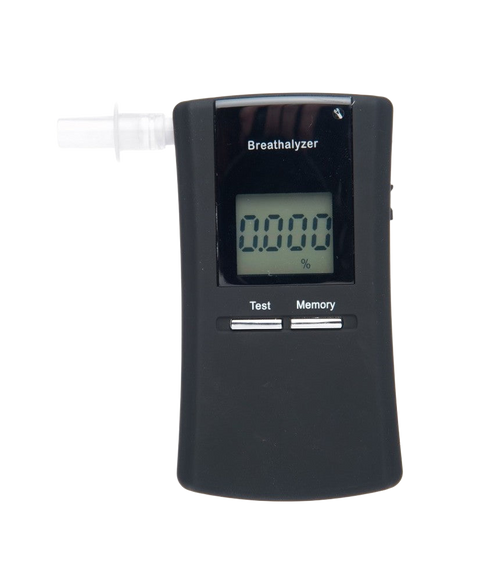
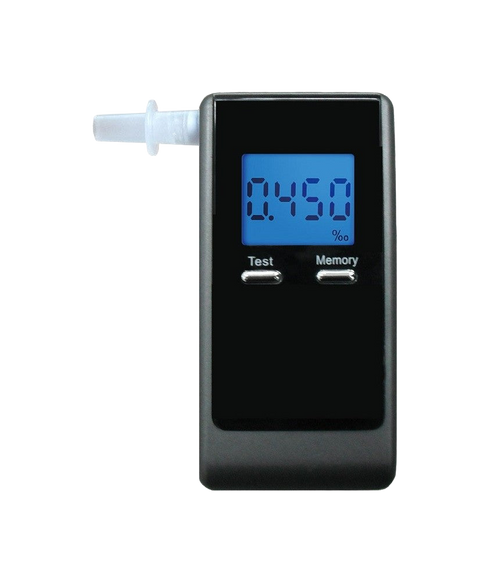
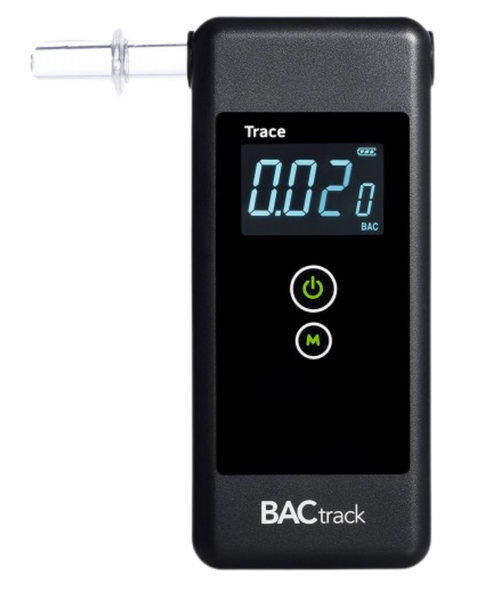
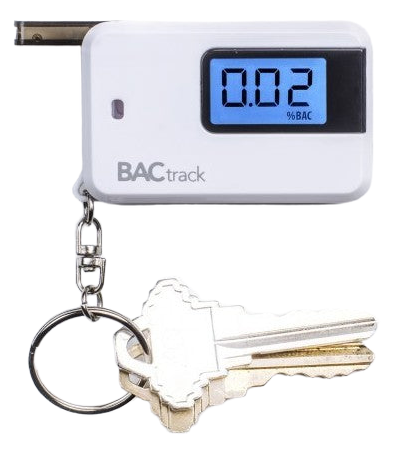
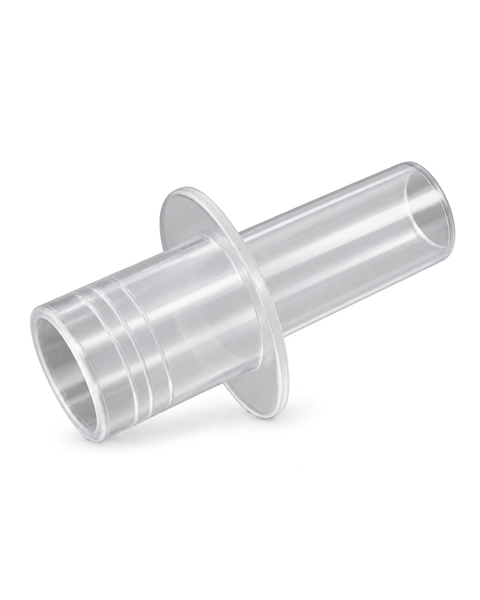
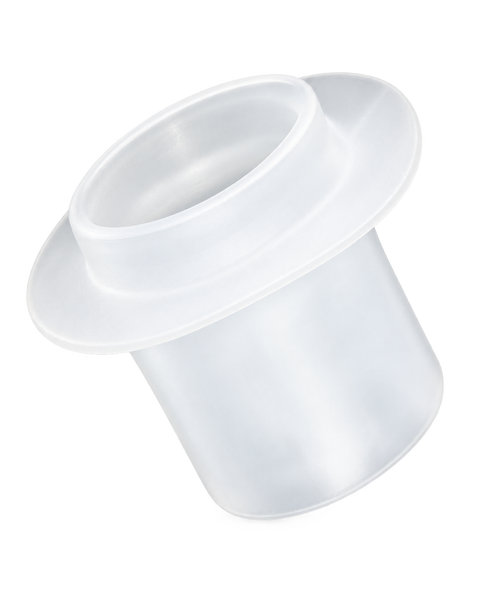
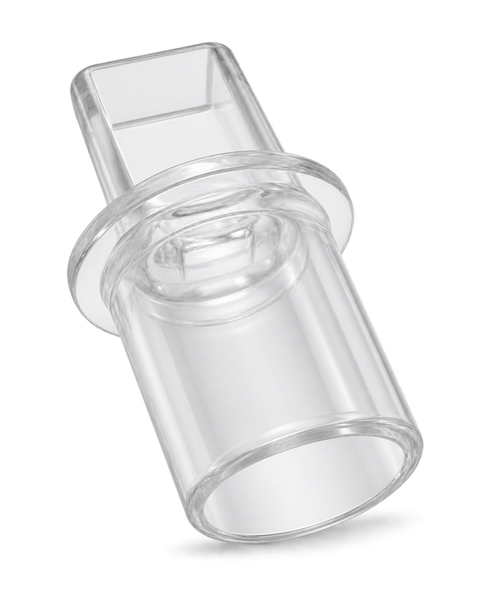
Replacement mouthpieces
Each model takes its own mouthpieces. Have enough on hand so everyone gets their own.
How do you use a breathalyzer properly?
The golden rule: wait at least 20 minutes after your last drink, your last bite or your last cigarette. Testing too soon gives a false reading and can damage the sensor.
- Wait 20 minutes after drinking, eating or smoking.
- Attach a clean mouthpiece. One mouthpiece per person, for hygiene.
- Turn the device on and let it warm up: about 15 seconds for the APC-90 and 10 seconds for the Elite.
- Blow as described in your model's instructions.
- Read the result as an estimate. Your blood alcohol can keep rising after your last drink: a reading taken now can be lower than one taken later.
- Have your electrochemical device recalibrated every 12 months, or sooner if it reaches its number of tests.
What is the legal alcohol limit for driving in Quebec?
The criminal limit is 0.08, or 80 mg of alcohol per 100 ml of blood, within two hours of driving (Criminal Code of Canada). But below 0.08, police can still lay a charge if your ability to drive is impaired. The details are on the SAAQ's alcohol and driving page (in French).
Who must follow zero tolerance?
- Drivers under 22, holders of a learner's or probationary licence and new licence holders, as well as motorcyclists in classes 6A, 6B and 6C during their first 24 months. Penalty: immediate 90-day licence suspension, 4 demerit points and a fine of $300 to $600.
- Taxi, limousine, minibus and bus drivers, who must have no alcohol at all. Penalty: immediate 24-hour suspension of that licence class.
What about 0.05?
In Quebec, there is no administrative penalty at 0.05 for drivers with a regular licence. That does not make it safe: according to the SAAQ, the risk of a fatal crash is 4.5 times higher between 0.05 and 0.08.
What are the penalties at 0.08 and over?
They are heavy from the first offence. The Criminal Code sets a minimum fine of $1,000, higher when blood alcohol is very high, then at least 30 days in jail for a second offence and at least 120 days for a third. The maximum sentence is up to 10 years in prison.
How long does it take for alcohol to wear off?
Be wary of rules of thumb. According to the SAAQ, only time eliminates the effects of alcohol, and your blood alcohol can keep rising after your last drink. A detector can show you that curve, but it cannot tell you when you will be fit to drive. The simplest plan is still to arrange your ride home before the party.
Frequently asked questions
Are personal breathalyzers accurate?
They give an estimate. An electrochemical model recalibrated on schedule gives a more consistent reading, but no personal device measures the exact alcohol in your blood. The SAAQ considers the reliability of these tools questionable.
Breathalyzer, alcohol detector, alcootest: what is the difference?
They are names for the same family of devices. In English, breathalyzer is the usual word; in French, Quebecers mostly say alcootest or détecteur d'alcool, while éthylotest and éthylomètre are more common in Europe.
If my breathalyzer reads under 0.08, can I drive?
No. The reading is an estimate, your blood alcohol may still be rising, police can charge you below 0.08 if your ability is impaired, and zero tolerance applies to many drivers. If you have been drinking, do not drive.
How long should I wait before blowing?
At least 20 minutes after drinking, eating or smoking. Any sooner, the reading is false and the sensor can be damaged.
Where can I find replacement mouthpieces?
We carry sets for the APC-90, the Elite and the BACtrack Go in our Breathalyzers collection. Always use the mouthpieces made for your model.
Torn between two models? Our advisors can show them to you in our Laval and Brossard stores.


